Listed & Heritage
Windows for Listed Buildings
Replacement windows and doors drawn to satisfy a conservation officer: true glazing bars, putty lines, and glass as thin as the consent requires. Made to measure for listed and period homes across Essex.
Rated Excellent on TrustpilotWhere It Starts
Consent Comes First
If your home is listed, the windows are part of what is listed. Replacing them needs listed building consent, and that is a conversation with your district council before anything is ordered, Colchester, Chelmsford, Braintree, Uttlesford, Tendring, Maldon, and the rest of Essex each have their own conservation team.
Every application is judged on its own merits: what the building is, what survives of the original joinery, and exactly what you are proposing to put back.
What we can do is give the application the best possible chance, measured drawings, section details, a written specification of the timber, the glass and the ironmongery, and windows that have been accepted by planning authorities up and down the country.


The Glass
Three Specifications
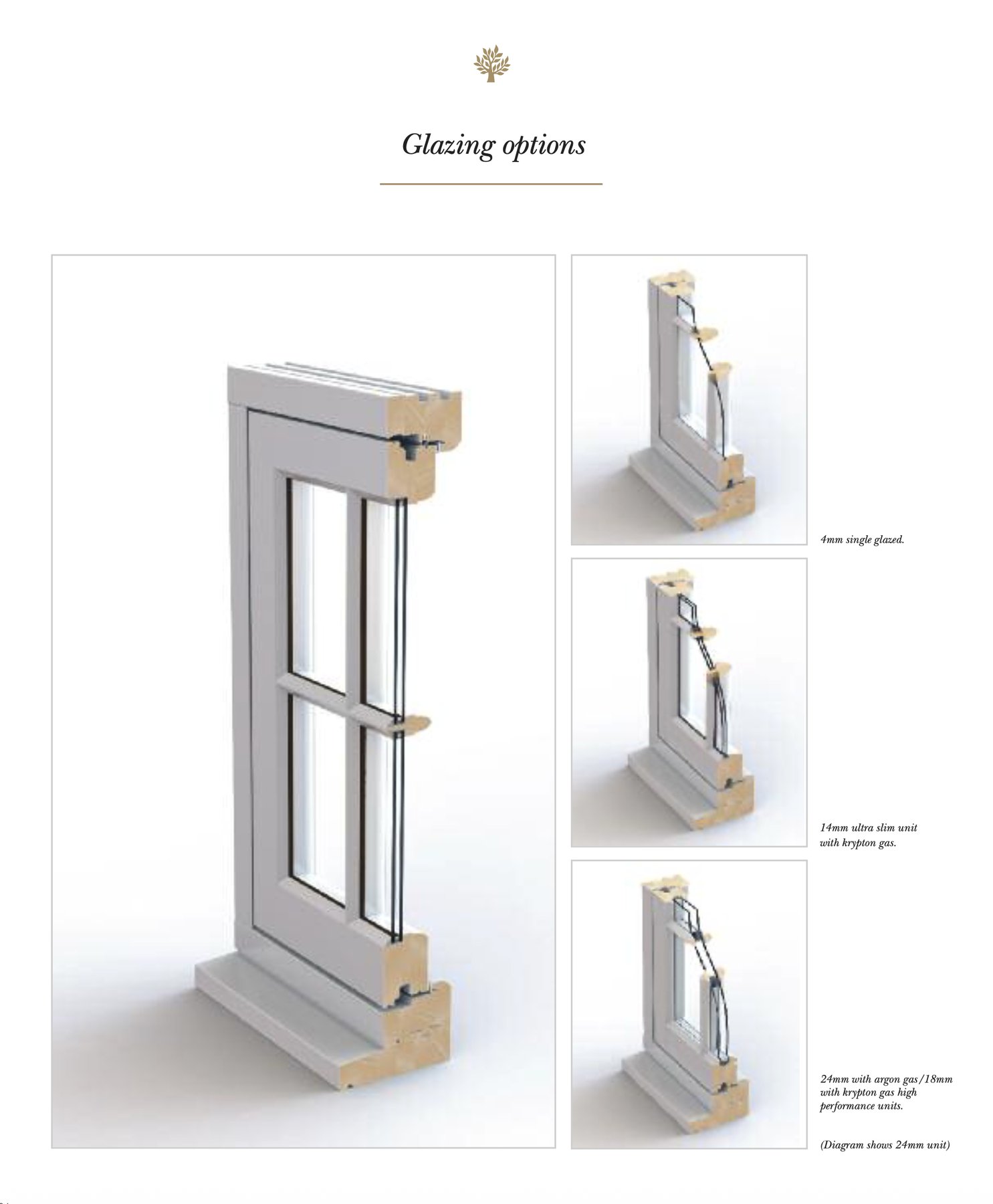
Almost every conversation about windows in a listed building comes down to the glass and the bars that hold it. There are three ways to build these windows, and which one you need depends entirely on what your conservation officer will accept.
Single Glazed
The most tightly controlled consents
4mm single glass, bedded and finished in putty by hand, in 22mm true glazing bars.
- 4mm single glazed pane
- Traditional hand-finished putty
- 22mm true glazing bars
- Where a sealed unit will not be accepted
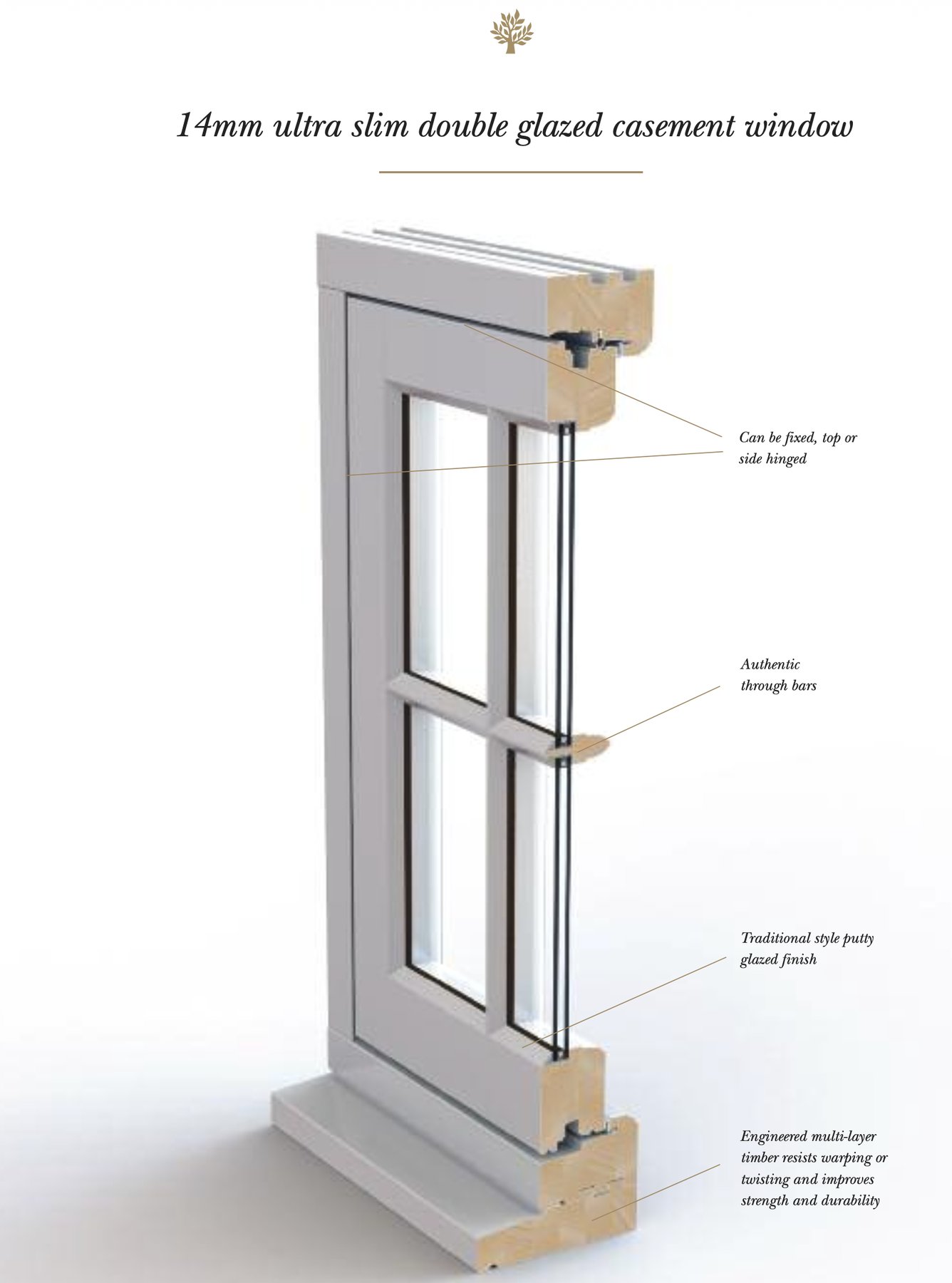
Ultra-Slim Double Glazed
Warmth without losing the sightline
A 14mm sealed unit filled with krypton, slim enough to sit behind a putty line and a true bar.
- 14mm ultra-slim sealed unit
- Krypton gas filled
- Hand-finished putty
- 22mm or 24mm true glazing bars
Double Glazed
Conservation areas and unlisted period homes
Where the constraints are lighter, a deeper unit brings the thermal performance up again.
- 18mm or 24mm sealed unit
- Argon or krypton gas filled
- 18mm or 27mm glazing bars
- Still true bars, still putty glazed
Glazing Bars
True Bars, Not Applied
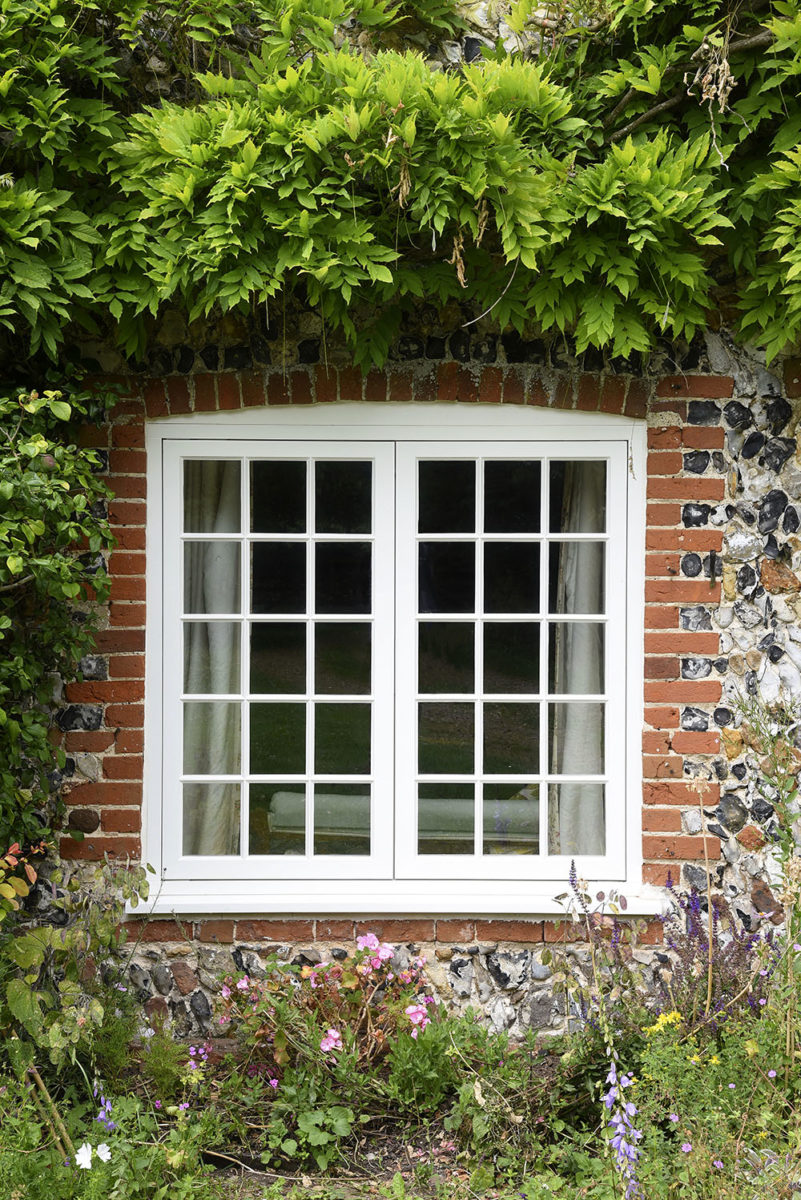
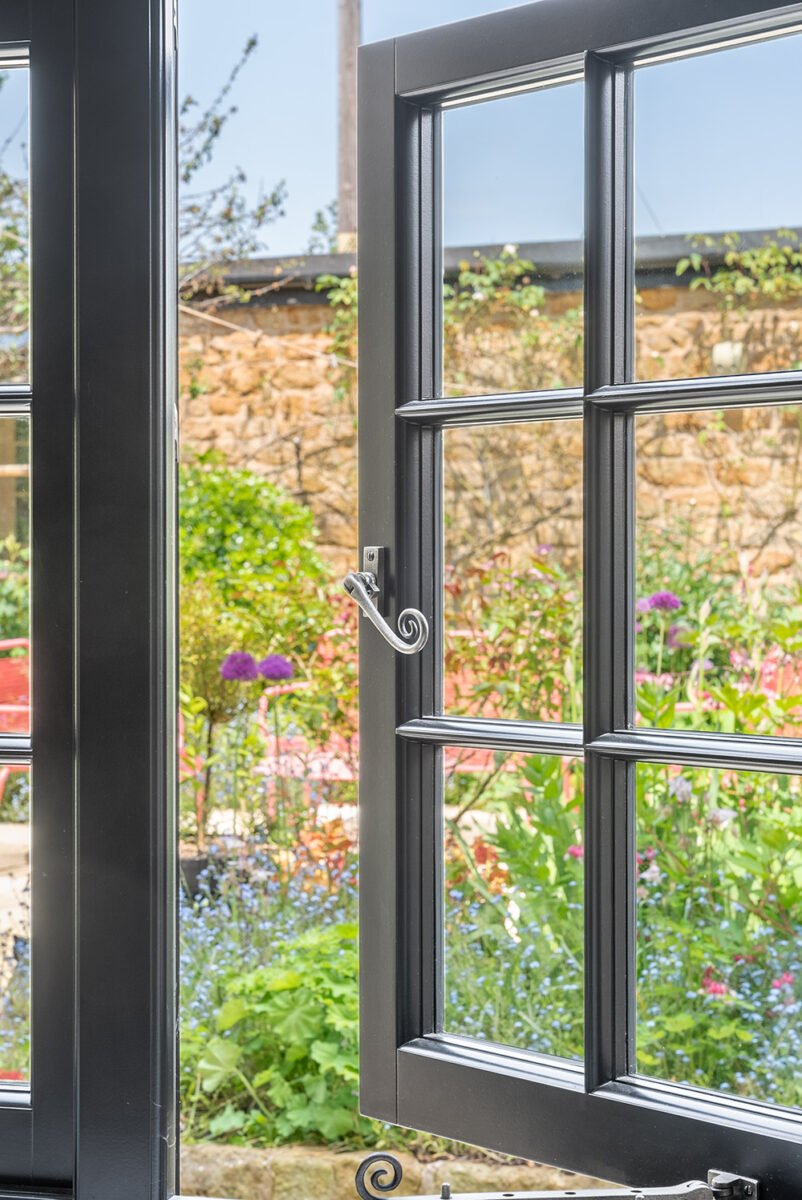
A true bar divides real panes of glass, each one bedded in putty, which is what gives the window its depth and shadow from the street and what a conservation officer is looking for.
- Each pane individually glazed
- Putty bedded and finished by hand
- Bar widths from 22mm
- Profiles taken from what is already there
Period Detail
The Parts People Notice
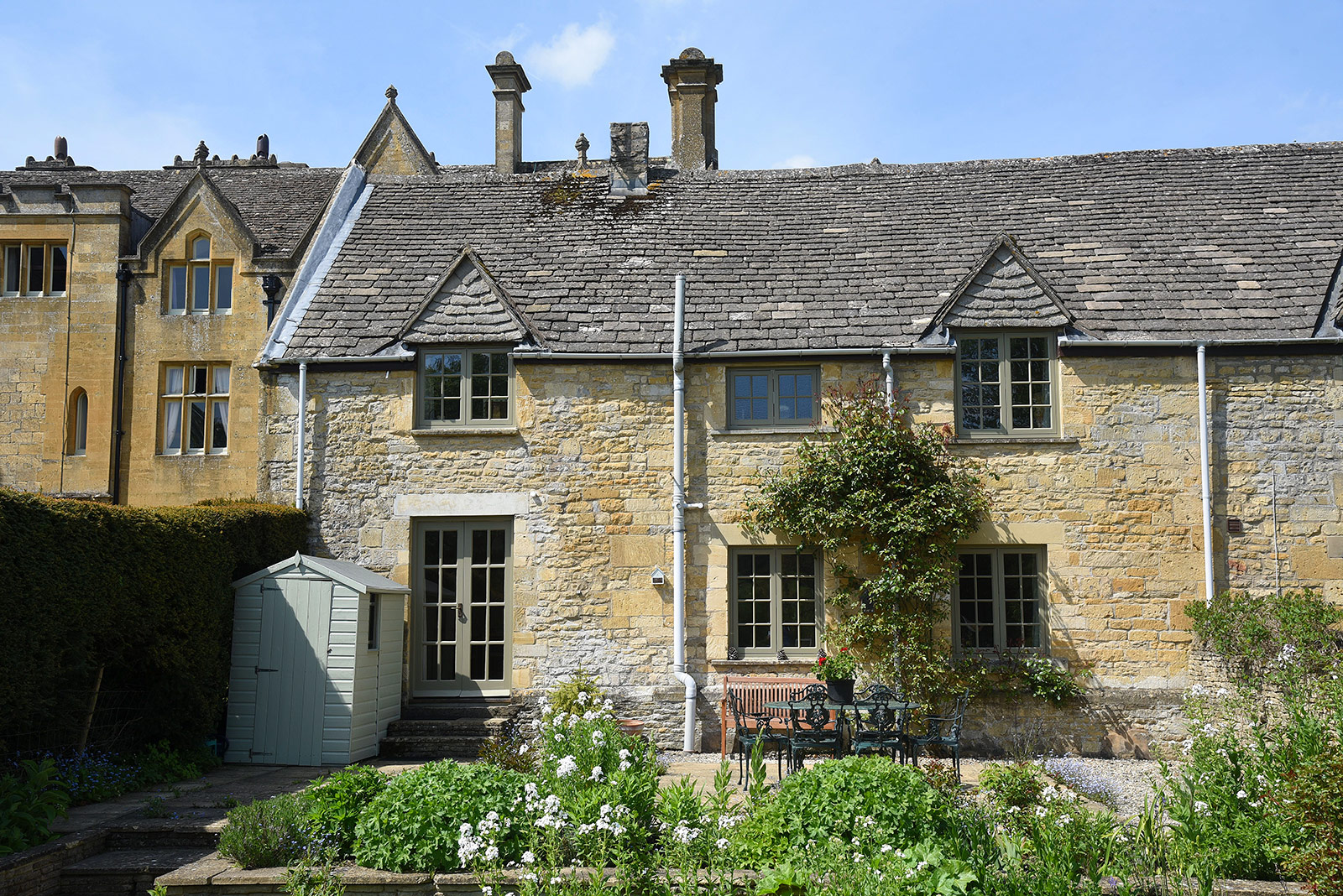
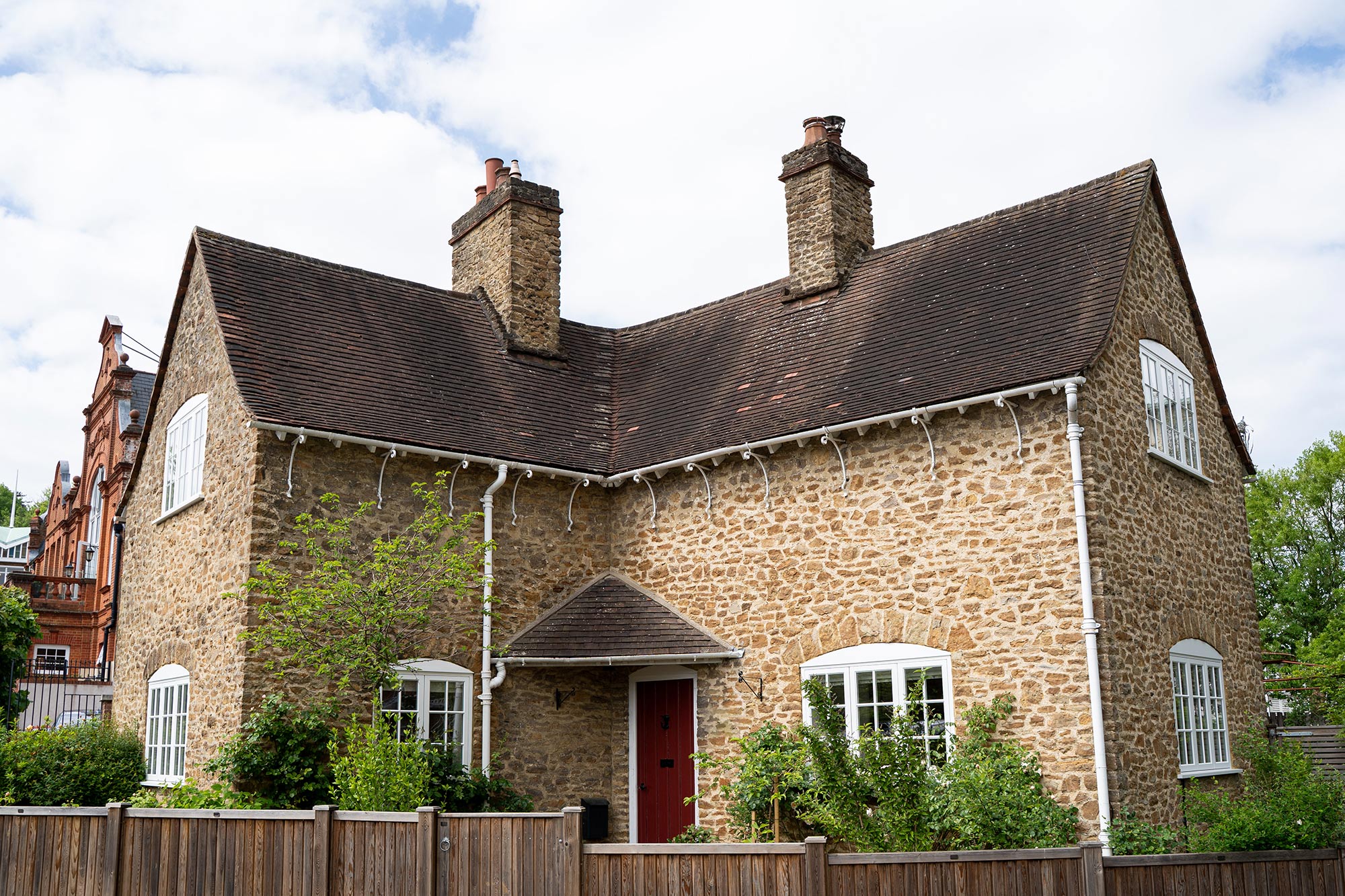
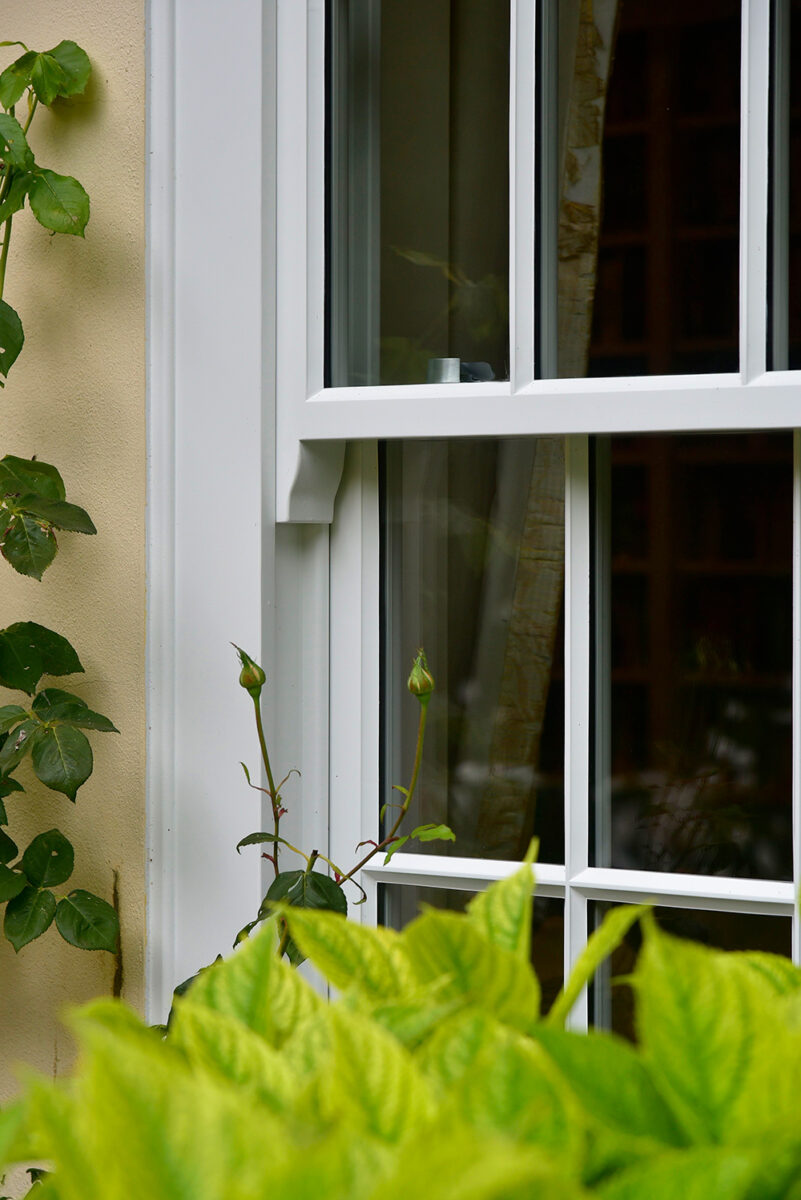
Sash horns, cill profiles, the depth of the reveal, the way a casement sits flush in its frame. These are the details an application turns on, and the ones that decide whether a finished window looks right from the street.
- Decorative sash horns, copied from the originals
- Flush cottage casements
- Dormer windows
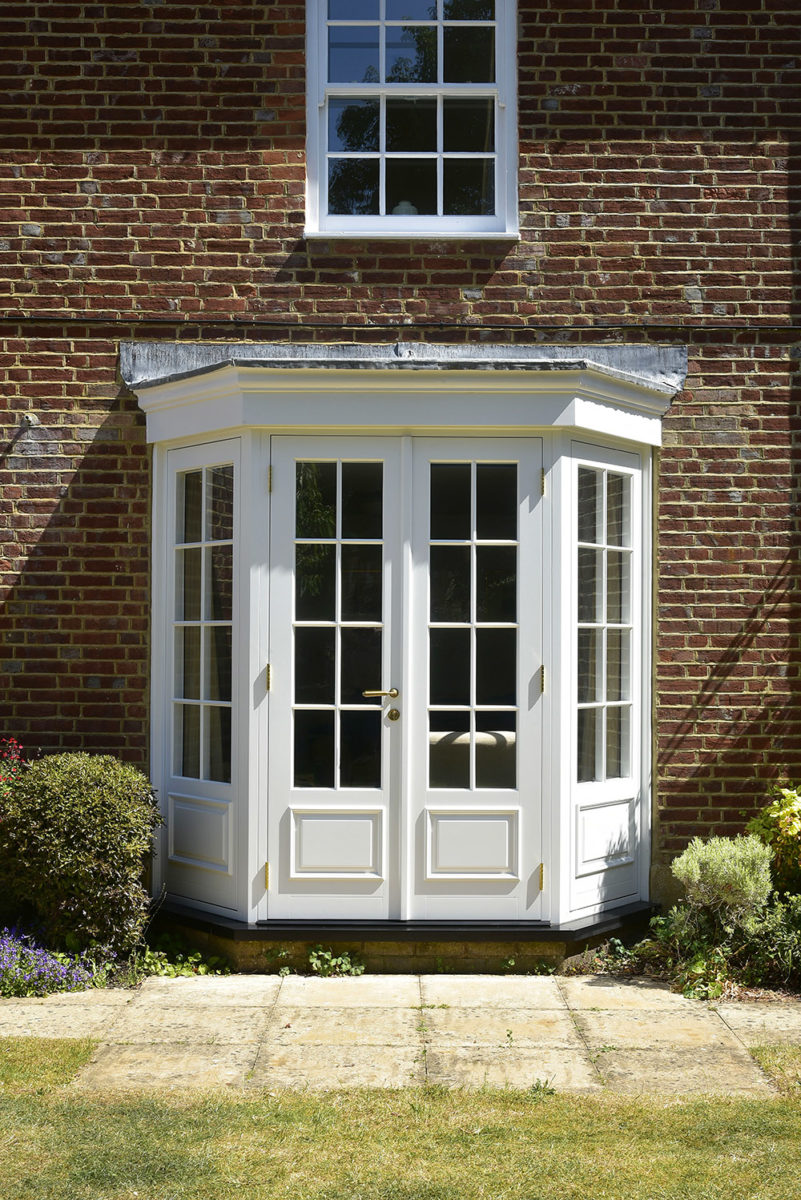
- French and entrance doors to match
Finishes
Colour and Ironmongery
Painted finishes include Off-White, White, Black and Oxide Gold, along with shades chosen to sit alongside a Farrow & Ball palette, which is usually where these conversations end up.
Ironmongery is Samuel Heath: Regent and Monkeytail handles, in Antique Pewter or Polished Brass Unlacquered, both of which dull down over time rather than staying showroom bright.
Specification
The Numbers
Which specification suits your home depends on the building and on what your conservation officer will accept. We will talk both through at survey.
| Timber | Engineered European Redwood | Laminated to stay straight, so it will not twist or warp |
| Single glazing | 4mm | Bedded in putty and finished by hand |
| Slimmest sealed unit | 14mm | Krypton filled, behind a true bar and a putty line |
| True glazing bars | From 22mm | 22 or 24mm on the slim specifications, 18 or 27mm on the deeper units |
| Also made to match | Doors | French doors, entrance doors and dormer windows on the same range |
| Guarantee | 10 years | On every window and door we survey and fit |
Also worth knowing
Not every period home is listed. If yours sits in a conservation area, or is simply old and worth doing properly, our standard timber sash and casement windows cover most of the same ground without the constraints.
Standard
On Every Listed Order
- Engineered European Redwood
- True glazing bars and putty glazing
- Made to measure from a site survey
- Drawings and specifications for your application
- Surveyed and fitted by our own teams
- 10-year guarantee
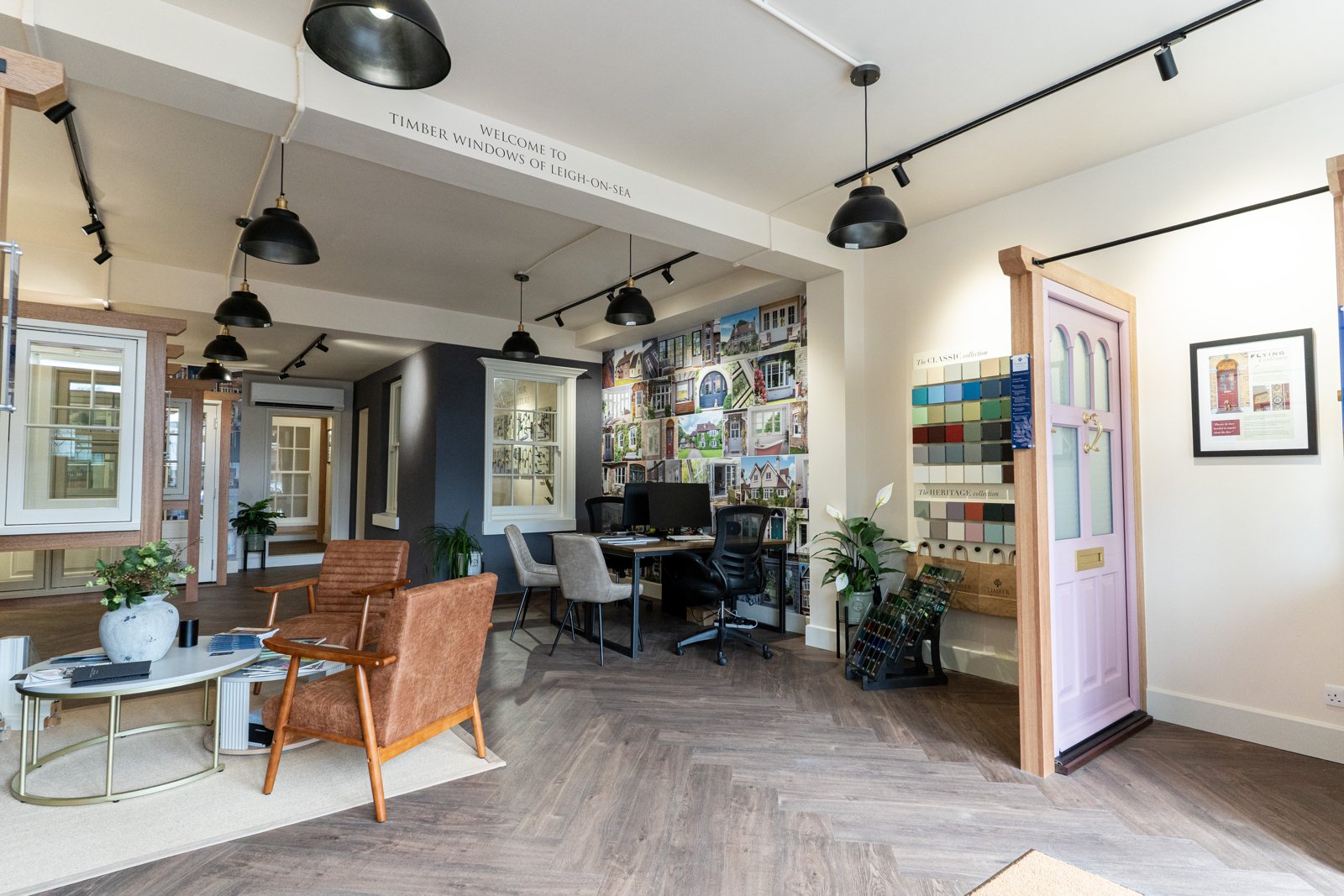
See the Quality for Yourself
Visit one of our five Essex showrooms, or send us your plans and we will prepare a detailed quotation.
Visit a Showroom